The Army Chief Naravane Memoir Controversy has triggered a massive political storm after remarks from an unpublished memoir were quoted inside Parliament, leading to loud protests and repeated adjournments. The issue has now turned into a flashpoint between the government and the opposition, raising serious questions about military neutrality, parliamentary privilege, and political accountability.
Today, In this article we will look at Army Chief Naravane Memoir Controversy on Mediafeed.
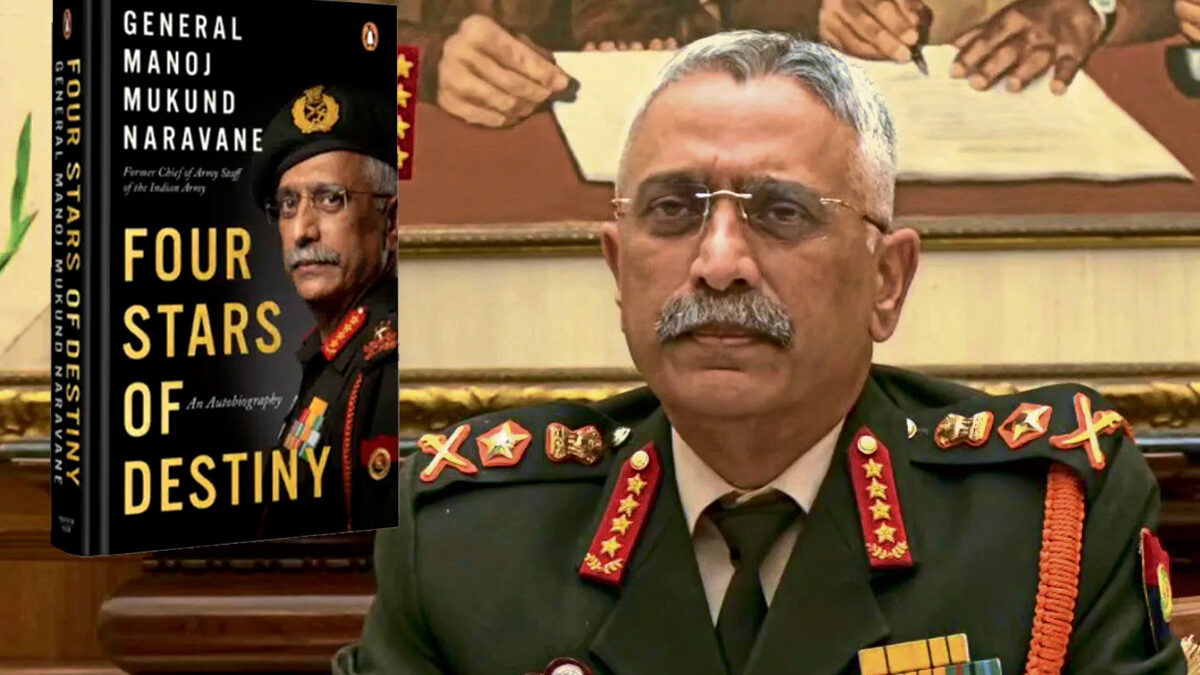
Army Chief Naravane Memoir Controversy Sparks Political Uproar
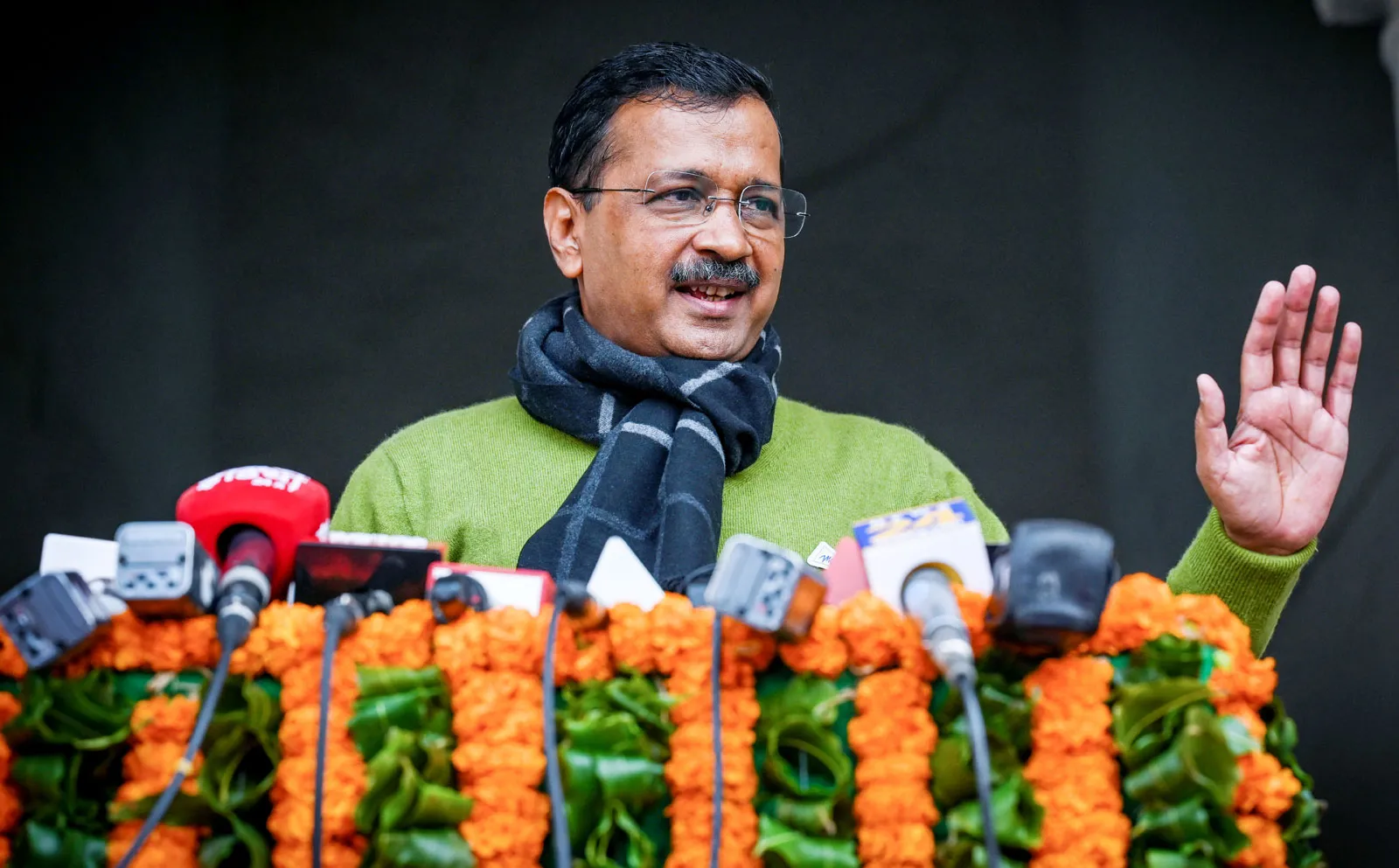
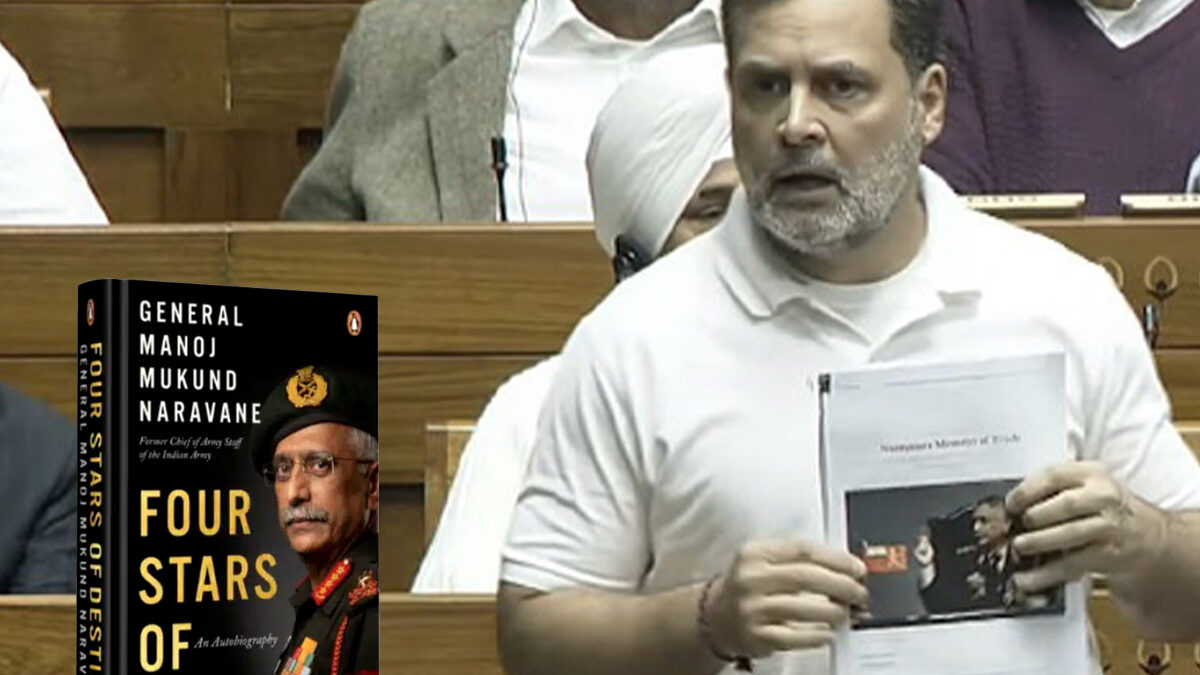
The Army Chief Naravane Memoir Controversy erupted after Congress leader Rahul Gandhi cited alleged excerpts from the yet-to-be-published memoir of former Indian Army Chief General Manoj Mukund Naravane during a heated debate in Parliament. The ruling party immediately objected, accusing the opposition of misusing sensitive military-related content for political gains.
Members from the treasury benches termed the remarks misleading and demanded strict action, while opposition leaders defended the right to question the government on issues of national importance. The uproar led to repeated disruptions in both Houses, forcing the proceedings to be adjourned multiple times.
What Rahul Gandhi Said in Parliament?
During the discussion, Rahul Gandhi referred to claims allegedly made in the unpublished memoir, suggesting that political leadership influenced key military decisions during a sensitive period. Although the book has not been officially released, the quoted remarks quickly became the center of national debate.
Key points raised during his speech included:
- Allegations of political pressure during a critical military standoff
- Questions over decision-making autonomy of the armed forces
- Concerns about transparency and accountability at the highest level
These statements intensified the Army Chief Naravane Memoir Controversy, with the government strongly rejecting the narrative.
Government Pushback and Treasury Bench Arguments
The government responded forcefully to the Army Chief Naravane Memoir Controversy, with senior ministers asserting that the Indian Army functions with complete professional autonomy. They maintained that retired military officials remain bound by service conduct and that unpublished personal accounts should not be used to frame political narratives.
Government leaders emphasized:
- The Indian Army is apolitical and disciplined
- Unpublished memoirs cannot be treated as official records
- National security-related discussions require restraint and responsibility
The treasury benches repeatedly demanded that the remarks be expunged from parliamentary records, leading to further confrontations.
Opposition Defends Parliamentary Right to Question
Opposition parties stood firmly behind Rahul Gandhi, stating that Parliament is the appropriate forum to raise questions of public importance. They argued that raising concerns about governance does not amount to undermining the Army.
Congress leaders claimed that the Army Chief Naravane Memoir Controversy reflects a larger issue of accountability and democratic oversight. They accused the ruling party of attempting to suppress debate rather than address the substance of the questions raised.
Why the Army Chief Naravane Memoir Controversy Matters
The Army Chief Naravane Memoir Controversy goes beyond routine political clashes. It brings attention to sensitive issues such as civil-military relations, responsible speech in Parliament, and the boundaries of political debate involving the armed forces.
Public opinion remains sharply divided. While some believe questioning the government is essential in a democracy, others argue that the Army should never be used as a political reference point. The debate has spilled over onto social media platforms, where strong views continue to emerge from both sides.
Conclusion
The Army Chief Naravane Memoir Controversy has emerged as a major flashpoint in Indian politics, blending parliamentary debate with sensitive military narratives. As both sides continue to defend their positions, the episode highlights the delicate balance between democratic questioning and responsible discourse when it comes to the armed forces. The coming days are likely to determine how long this issue dominates the national political agenda.
Also read: Sunita Williams Retirement